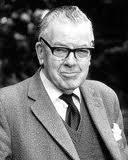
Joseph Alleine Joseph Alleine (1634 - 1668)
Conversion
"Conversion is a work above man's power. We are 'born, not of blood, nor of the will of the flesh, nor of the will of man, but of God' (John 1:13). Never think you can convert yourself. If ever you would be savingly converted, you must despair of doing it in your own strength. It is a resurrection from the dead (Ephesians 2:1), a new creation (Galatians 6:15; Ephesians 2:10), a work of absolute omnipotence (Ephesians 1:19). Are not these out of the reach of human power? ... This is a supernatural work ... 'Not by works of righteousness which we have done, but of mercy he saved us' ... 'Of his own will he begat us' (James 1:18). We are chosen and called unto sanctification, not for it (Ephesians 1:4). God finds nothing in man to turn His heart, but enough to turn His stomach; He finds enough to provoke His loathing, but nothing to excite His love. Look back upon yourself, O Christian! Reflect upon your swinish nature, your filthy swill, your once beloved mire (2 Peter 2). Behold your slime and corruption ... How then should holiness and purity love you? ... Who but must needs cry, Grace! Grace! ... What but free grace could move God to love you."
 
REGISTER for periodical updates
 *
 *
Click here to register
Register to become part of our mailing list in order to receive periodical updates from Malta Evangelical Library.

 * Required
Christians Are Forever Go back to previous page
Owen, John
Book title
Book Details
Paperback: 84 pages
Subtitle: N/A
Publisher: Grace Publications Trust
Category: Perseverance
Edition: Abridged
Publish Date: 1987
ISBN: 9780946462148
Dewey Decimal Classification: N/A
Reference No: O-00071
Synopsis
"John Owen (1616-1683) wrote "The Doctrine of the Saints Perseverance Explained and Confirmed", which he subtitled also. The certain permanency of their acceptation with God and their sanctification from God manifested and proved, in 1654. Here is a modern English version of the same, somewhat abridged. The book was a reply to the erroneous teaching of a certain Mr John Goodwin. But Owen writes: 'The confutation of Mr Goodwin was but secondarily in my eye; the best way for that I judged to consist in a full Scriptural confirmation of the truth he opposed. That I chiefly intended; and therein I hope the pious reader may, through the grace of God, meet with satisfaction.'"